

Bathroom Renovation Guide: Smart Planning Before You Start
Bathroom renovation is one of the most important home improvement projects. A well-planned bathroom can improve comfort, safety, hygiene, and the value of your home.
However, bathroom renovation work can also become expensive if the planning is unclear. Plumbing, waterproofing, tiling, ventilation, lighting, and finishing all need to work together.
At Diyara, we help homeowners plan bathroom renovation projects with clear communication, practical decisions, and quality workmanship.
Quick Bathroom Renovation Guide
A bathroom renovation does not have to feel confusing. First, decide what you want to change. Then, check the space, the layout, and the budget.
Next, think about how you use the bathroom every day. For example, do you need more storage, better light, a larger shower, or easier cleaning?
After that, choose the main items. These can include the shower, toilet, sink, tiles, lights, mirror, and bathroom furniture.
Also, keep the layout simple when possible. This can help you save money because the pipes and drains may stay in the same place.
However, do not ignore hidden work. The floor, walls, pipes, water protection, and air flow are very important.
For this reason, a bathroom should be planned before any work starts. A good plan can prevent leaks, mould, delays, and extra costs.
In short, start with the basics. Keep the design practical. Choose good materials. Finally, work with a clear plan from start to finish.
Why Bathroom Renovation Planning Matters
Good planning is the foundation of every successful bathroom renovation. Before starting, you need to understand the layout, materials, technical work, and budget.
A bathroom is a wet area. Therefore, mistakes can lead to water damage, mould, loose tiles, poor drainage, or ventilation problems.
With a clear plan, you can avoid many common problems. In addition, you can make better decisions before demolition starts.
What Is Included in a Bathroom Renovation?
A bathroom renovation can be simple or complete. The exact scope depends on the condition of the bathroom and the result you want.
Common bathroom renovation work includes:
- removing old tiles and sanitaryware;
- demolition and preparation work;
- checking plumbing and drainage;
- electrical preparation for lighting and sockets;
- waterproofing wet areas;
- installing wall and floor tiles;
- placing a shower, toilet, sink, or vanity;
- improving ventilation;
- painting, sealing, and final finishing.
Each step affects the final result. That is why the order of work is very important.
Bathroom Renovation Cost Factors
The cost of a bathroom renovation depends on several factors. The size of the bathroom is important, but it is not the only factor.
| Cost Factor | Why It Matters |
|---|---|
| Bathroom size | Larger bathrooms need more tiles, labour, and materials |
| Layout changes | Moving pipes, drains, or toilets can increase the cost |
| Tile choice | Large, luxury, or special tiles often cost more to install |
| Sanitaryware | The price depends on the quality of the toilet, shower, sink, and furniture |
| Waterproofing | Good waterproofing helps prevent hidden water damage |
| Ventilation | Good ventilation helps reduce moisture and mould risk |
| Finishing level | Clean details, sealing, painting, and edges affect the final look |
In many cases, keeping the existing layout can help control the budget. For example, keeping the toilet, shower, and sink in the same location usually reduces technical work.
If you want to understand general renovation pricing, you can also read our guide about home renovation cost.
Step-by-Step Bathroom Renovation Process
A clear renovation process helps reduce delays and mistakes. Below is a simple step-by-step overview.
1. Define the Bathroom Scope
First, decide what needs to change. Do you want a full renovation, or only a refresh?
For example, a refresh may include painting, new furniture, lighting, or small repairs. A full bathroom renovation may include demolition, plumbing, tiling, waterproofing, ventilation, and new sanitaryware.
2. Check the Existing Condition
Before choosing materials, check the current bathroom condition. Look at the tiles, floor, ceiling, ventilation, plumbing, and moisture signs.
If there are cracks, leaks, mould, or soft areas, these problems should be solved before the new finish is installed.
3. Choose a Practical Layout
The layout should be comfortable and easy to use. A beautiful bathroom is not enough if the shower is too small, the toilet is badly placed, or the sink blocks movement.
Therefore, always check walking space, door swing, storage, shower access, and daily use before finalising the design.
4. Plan Plumbing and Electrical Work
Plumbing and electrical work should be planned early. Moving drains, water pipes, sockets, or lighting points can affect the budget and schedule.
In addition, all electrical work in a bathroom must be suitable for wet areas and bathroom safety zones.
5. Select Tiles and Materials
Tiles have a major impact on the final look and cost. Large tiles can look modern, but they need careful preparation and installation.
For floors, choose tiles that are suitable for wet areas. Non-slip flooring can improve safety, especially in showers and family bathrooms.
6. Improve Waterproofing
Waterproofing is one of the most important parts of a bathroom renovation. It is often hidden behind tiles, but it protects the structure from moisture damage.
Wet areas, shower corners, floor connections, and wall transitions should be prepared carefully before tiling starts.
7. Install Ventilation
Bathrooms need good ventilation because moisture builds up quickly. Poor ventilation can cause mould, bad smells, and damage to paint or ceilings.
For general information about healthy ventilation, homeowners can read guidance from Milieu Centraal.
8. Finish with Details
The final details make a big difference. Sealing, corners, edges, mirrors, lighting, accessories, and painting all affect the finished look.
A clean finish makes the bathroom feel more professional and easier to maintain.
Common Bathroom Renovation Mistakes
Many bathroom problems come from poor planning or rushed decisions. The good news is that most mistakes can be avoided.
| Common Mistake | Better Decision |
|---|---|
| Starting without a clear scope | Define the work before demolition starts |
| Choosing tiles only by appearance | Check quality, size, slip resistance, and maintenance |
| Ignoring ventilation | Plan airflow and extraction early |
| Poor waterproofing | Prepare wet areas carefully before tiling |
| Moving everything unnecessarily | Keep the layout when possible to reduce cost |
| Not planning storage | Add practical storage for daily items |
Bathroom Renovation Ideas for a Better Result
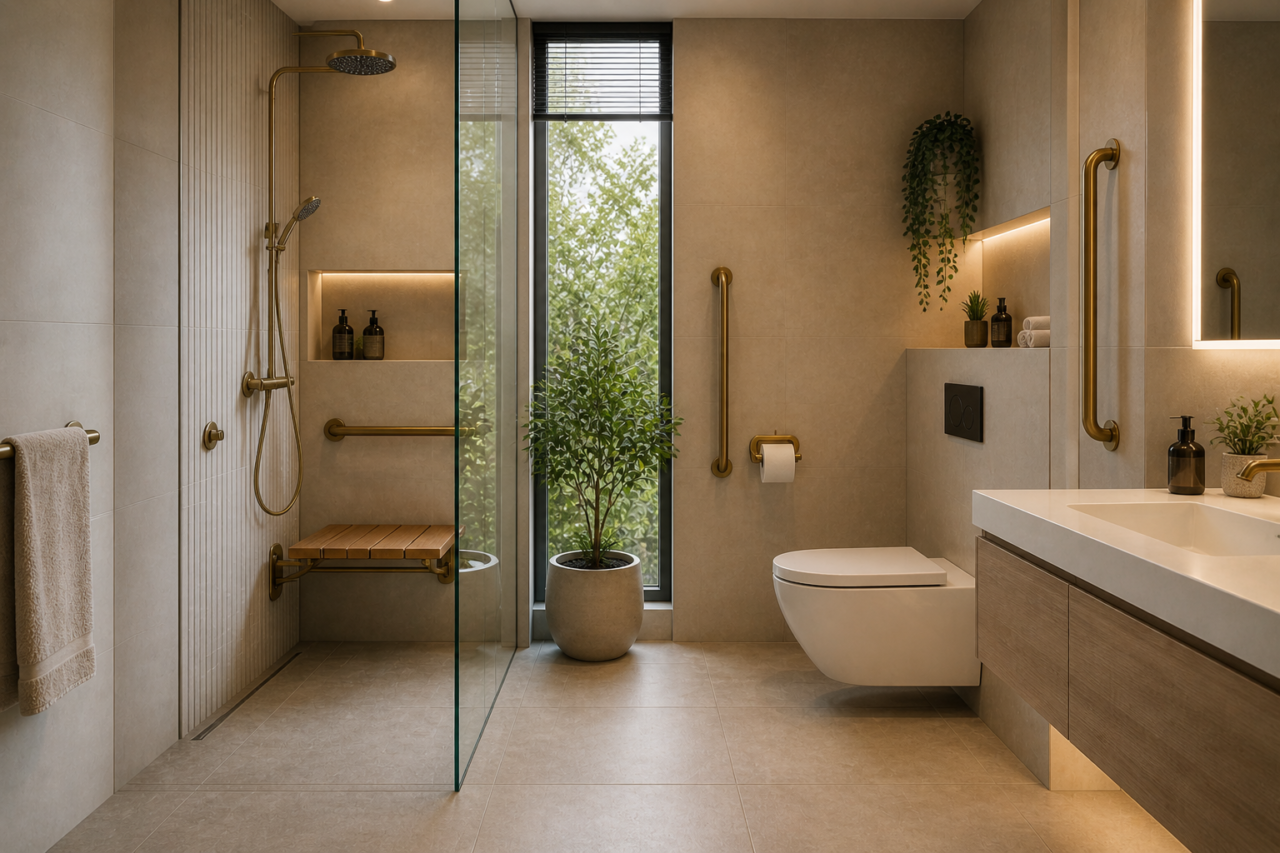
Small design decisions can make a bathroom feel more modern and comfortable. For example, a walk-in shower can create a more open feeling. A floating vanity can make the floor easier to clean.
Light tiles can make a small bathroom feel larger. Warm lighting can make the space feel more relaxing. In addition, built-in niches can keep shower products organised without adding clutter.
If accessibility is important, you can also read our guide about accessible bathroom renovation.
Do You Need a Permit for a Bathroom Renovation?
Most simple bathroom renovations do not need a permit. However, bigger changes may require extra checks.
For example, structural changes, major ventilation changes, or work that affects the building structure may need approval.
Before starting larger renovation work, it is smart to check the official Omgevingsloket Vergunningcheck.
This can help you avoid delays, extra costs, or legal problems later.
How Diyara Can Help
At Diyara, we help homeowners with practical bathroom renovation planning and professional finishing support.
We focus on clear communication, realistic planning, and quality workmanship. A bathroom renovation is not only about choosing tiles and furniture. It is also about moisture control, safety, comfort, timing, and long-term use.
Diyara can support different parts of a bathroom renovation, including:
- bathroom renovation planning;
- demolition preparation;
- wall and floor finishing;
- tiling coordination;
- painting and plastering;
- layout and material advice;
- general renovation support;
- quality finishing.
Ask Diyara Before You Start
If you are planning a bathroom renovation, it is useful to discuss your ideas before making final decisions.
Contact Diyara and send photos, measurements, or a short description of your bathroom. We can help you understand the best next step for your renovation project.
Diyara — Practical bathroom renovation, smart planning, and quality workmanship.
Simple Checklist Before You Start
- First, measure the bathroom.
- Then, decide what you want to keep.
- Next, choose the shower, toilet, sink, and tiles.
- Also, check the light, fan, pipes, and drain.
- After that, make a clear budget.
- Finally, plan the work in the right order.
This simple checklist can make your bathroom renovation easier, safer, and less stressful.
FAQ
How much does a bathroom renovation cost?
The cost depends on the size of the bathroom, the materials, the layout, plumbing, waterproofing, ventilation, and finishing level.
What is the most important part of a bathroom renovation?
Waterproofing, plumbing, ventilation, and proper preparation are among the most important parts because they protect the bathroom from hidden damage.
Can I renovate a bathroom without changing the layout?
Yes. Keeping the existing layout can often reduce cost because less plumbing and drainage work is needed.
How long does a bathroom renovation take?
The duration depends on the scope. A simple refresh can be faster, while a full bathroom renovation with demolition, plumbing, tiling, and finishing takes longer.
Can Diyara help with bathroom renovation planning?
Yes. Diyara can help with planning, preparation, finishing work, and practical renovation support for bathroom projects.